UBUNTU · RELATIONAL INTELLIGENCE · SPORT RESEARCH
Research & Inquiry
How do we become human together through sport and movement?
My research grows from practice: from courts, classrooms, and circles where people are trying to belong, perform, and create meaning together. By bridging theory and field practice, I examine how sport can support performance while also creating conditions for belonging, cultural affirmation, and collective flourishing.
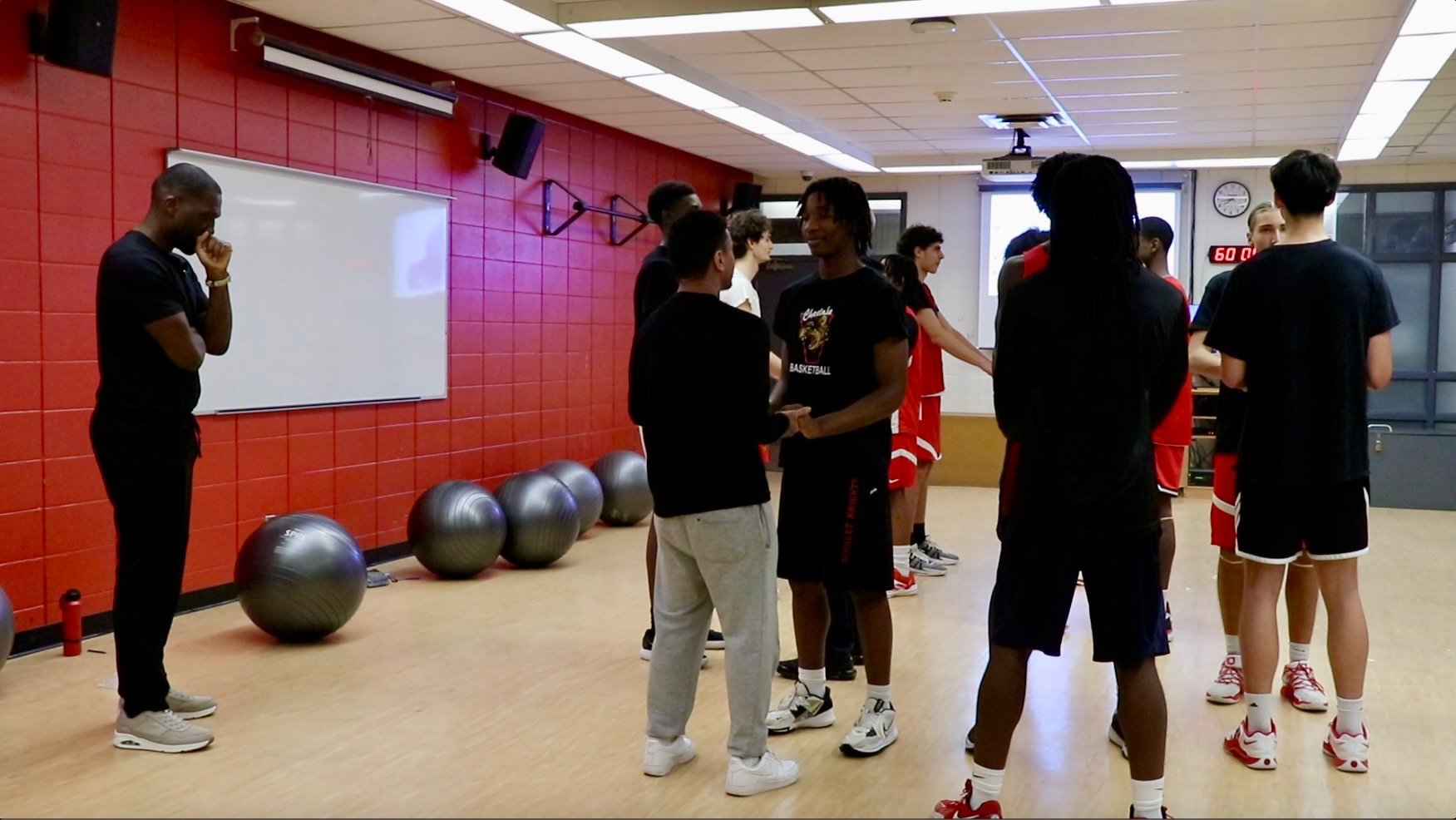
One Question, Different Contexts
Professional teams and community organisations navigate different pressures. Yet both return us to the same human question:
How can sport create the relational conditions for people to experience belonging, take responsibility, and become more fully human together?
I do not treat Ubuntu as a universal formula; rather, it is a living philosophy invited into dialogue to help make visible the knowledge, relationships, and stories already present within a team or community.
Current Inquiries
1. Ubuntu and Relational Intelligence in Elite Sport
Field research initiative | In development
This study investigates how Ubuntu philosophy and relational intelligence can deepen our understanding of performance in elite sport. Moving beyond a purely technical understanding of performance, the inquiry examines how high-performance environments cultivate identity, trust, and shared responsibility.
Approach: Practitioner-research residencies, including facilitated workshops, observation of team culture and relational dynamics, storytelling, and case study development.
Key Questions: What builds genuine team belonging? How is collective identity sustained under pressure? What are the relational foundations of sustainable performance?
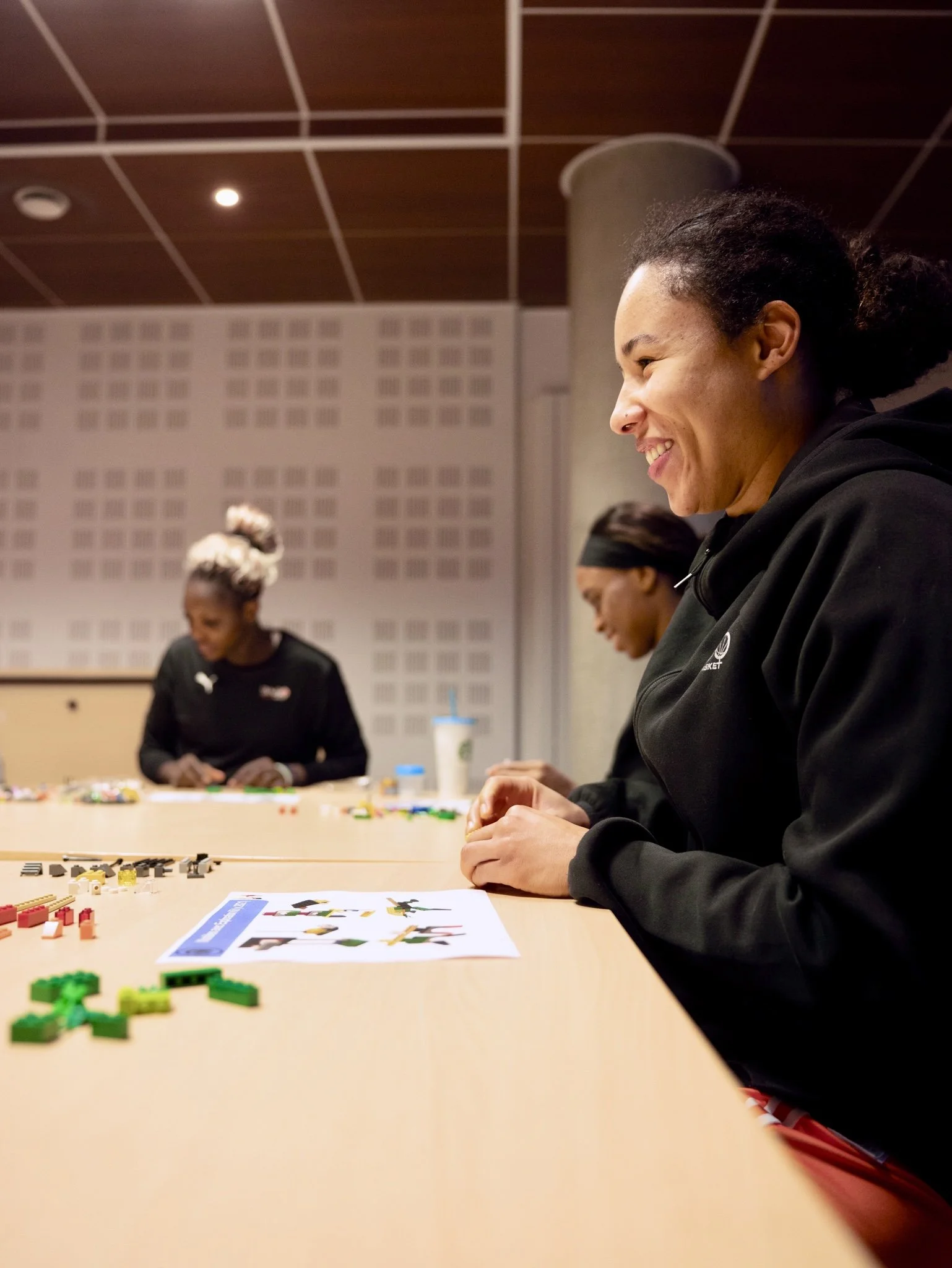
2. Ubuntu Pedagogy of Movement
Community-partnered pre-doctoral inquiry | In development
This project is designed to work with community sport and Sport for Development programmes to explore how culturally grounded practices cultivate agency and relational wellbeing.
Approach: The inquiry begins by listening to the partner’s existing purpose, knowledge, and practice. Ubuntu is introduced only where invited, as one contribution to a community-led dialogue—not as an imposed solution.
Focus: Co-designing workshops and reflection practices that honor the authority and integrity of community knowledge.
Youth voice: Young people are treated as co-creators, not merely research subjects.
A relational, qualitative-led approach
Not every human experience needs to be reduced to a score. The inquiry is qualitative-led and adapted to the context, needs, and governance of each partnership.
Community-defined purpose: The inquiry responds to questions and needs identified by the partner.
Cultural humility: Ubuntu is never used to overwrite or simplify another knowledge tradition.
Relational accountability: The quality of the relationship is treated as part of the research itself.
Knowledge sovereignty: Communities retain authority over their knowledge, participation, and appropriate forms of governance.

Research Growing from Practice
My practice has been shaped at the intersection of high-level sport, qualitative research, education, and social innovation.
Research experience: ISS, Erasmus University Rotterdam; The Hague University of Applied Sciences
Community practice: UNICEF Nicaragua
Sport experience: High-level basketball as athlete and practitioner
Field practice: BANTU Sport Leadership
Faire Humanité Ensemble, my ongoing book project, provides the wider philosophical and narrative space connecting these inquiries.
Explore a research partnership
I welcome conversations with community sport organisations, universities, research centres, and mission-aligned funders. A meaningful partnership begins with context: What matters to your people? What question deserves deeper attention?